
Rekey or Replace? An Honest Guide for Toronto Homeowners
Rekey or Replace? An Honest Guide for Toronto Homeowners
Just moved into a new place, lost a key, or had a falling-out with someone who still has a spare? You’re probably weighing whether to rekey or replace your locks. Both make your home secure again — but they cost different amounts and suit different situations. Here’s a straight answer from a licensed Toronto locksmith.
The quick answer: if your locks work well and you simply want your old keys to stop working, rekey. If your locks are old, worn, low-quality, or you want to upgrade your security, replace. Still unsure whether to rekey or replace? A quick look from a locksmith settles it fast.
What does it mean to rekey a lock?
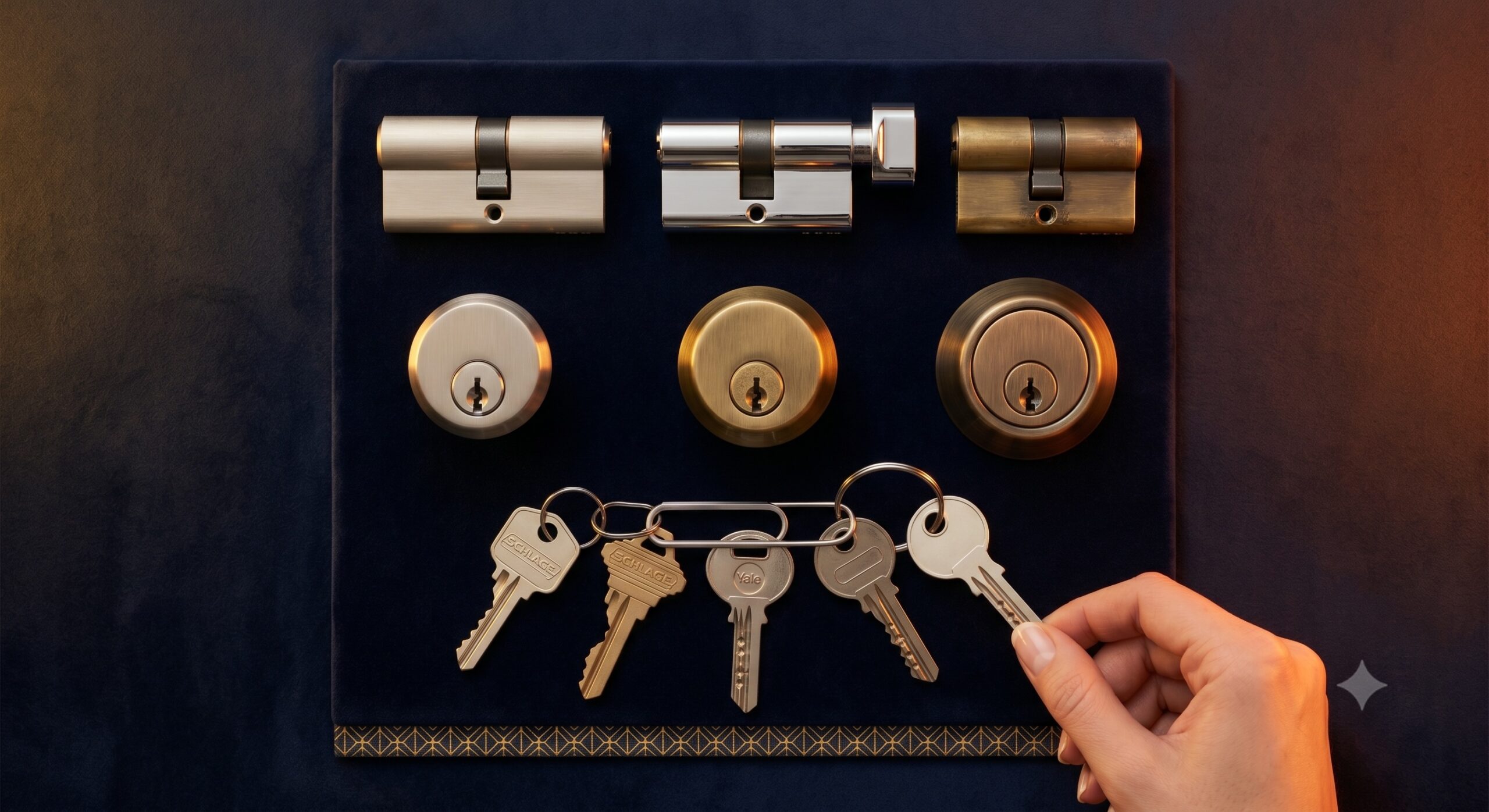
Rekeying changes the small pins inside the lock cylinder so your old keys no longer work and a new key does — without changing the lock hardware itself. The lock you already have stays on the door; only its “code” changes. It’s quick, budget-friendly, and ideal when your locks are in good shape and you just want control over who can get in.
It’s also how we get every door in your home onto a single key — we simply rekey them all to match.
How rekeying works, step by step
Rekeying sounds technical, but it’s fast. Here’s what actually happens at your door:
- We remove the lock cylinder from the door.
- We take out the old pins that matched your previous key.
- We drop in new pins sized to a brand-new key.
- We reassemble the lock and test it until it turns smoothly.
Your old keys stop working instantly, and your new key glides in. Because the hardware never leaves your door, rekeying is usually the fastest, lowest-cost way to lock out anyone who shouldn’t still have access.

What does replacing a lock involve?
Replacing swaps the entire lock for new hardware. You get a fresh mechanism, a new look, and the chance to step up to a higher security grade or a smart lock. It costs more than rekeying because you’re paying for the hardware itself — but sometimes it’s the smarter long-term move.
Rekey or replace? When to choose each
Rekey when…
- Your locks work well and look good
- You just moved into a new home
- You lost a key or gave one out
- You want every door on one key
- You want the most budget-friendly fix
Replace when…
- Locks are worn, sticky, or damaged
- They’re builder-grade or low security
- You want a deadbolt upgrade or smart lock
- The hardware is simply outdated
- There was a break-in or attempted entry
How much does it cost to rekey or replace in Toronto?
As a rule of thumb, rekeying is the more affordable option per lock because there’s no new hardware to buy — you’re paying for the locksmith’s time. Replacing costs more and depends on the hardware you choose, from a basic deadbolt to a premium smart lock. Whichever way you go, insist on a flat, upfront price before any work starts — no “starting at” quotes that balloon on site.
Renting or own your home? Here’s who decides
One quick note before you decide whether to rekey or replace: if you rent, check with your landlord or property manager first. In many buildings they’re responsible for the locks, may have rules about changing them, and will usually want a copy of any new key. If you own your home, the call is entirely yours. Either way, a licensed locksmith can do the work properly and document it, so there’s a clear record that your locks were changed.
When you should always replace (not rekey)
A few situations call for new hardware no matter what: after a break-in or attempted entry, when a lock is physically damaged or seizing up, when the lock is very old, or when you want to move to keyless or smart entry. In those cases, replacing protects you far better than rekeying ever could.
Frequently asked questions
Is rekeying as secure as replacing?
Can you rekey all my locks to one key?
How long does rekeying take?
Should I rekey after moving into a new home?
Not sure whether to rekey or replace?
A licensed Toronto locksmith can take a quick look and give you a flat, upfront price — for your home, business, or car.